a modern architecture firm

modern architecture blog

a blog about modern architecture, design, development + modative happenings
 
Loading

We post, you get an email. That's it.

Your email:

blog authors

contact us

call modern architects

blog voter

Find interesting posts from the past. Vote. Check out our new blog voter.

browse by tag

architecture blog

Current Articles | RSS Feed RSS Feed

Modative on the Move


Starting today, we are moving our office. Thankfully, the new location is just next door.

Some features of Modative's new architecture headquarters:

  • About the same size as our current office.
  • Better location (not joking) - although only next door, the new spot fronts right onto Venice Boulevard, so it's easier to find.
  • Better layout - a more open plan will allow for better internal communication.  

Our mailing address will remain the same. Our new office location is:

8734 Venice Blvd.

Los Angeles, CA 90034

The move begins today (04.17.09) and should be wrapped up by mid-day Monday (04.20.09). Our phones may be down periodically during this time.

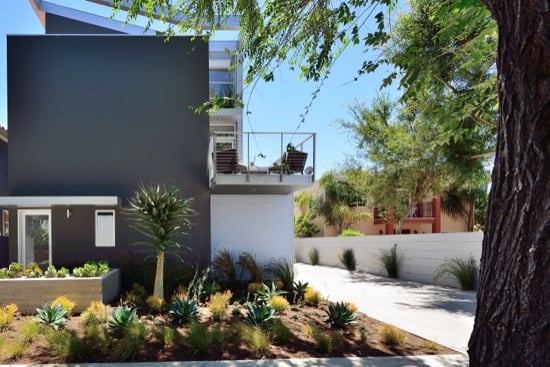
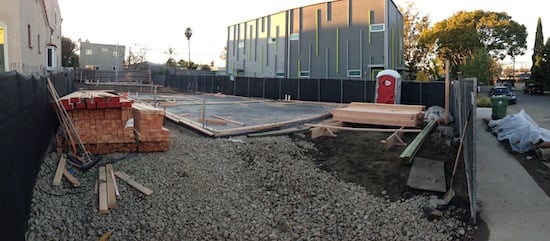
modative moving

Exterior view. Some interior pics coming soon.


Five Ways to Keep Your Architect in Check


Architects are not perfect. They need your help from time to time. Schedule delays and budget overruns can happen on any project. And while it may not be your architect's fault, here are five easy ways to help keep your architect in check:

1. Detailed Contract

Many architects fear detailed contracts because they think it'll deter clients from hiring them. This approach hurts everyone, especially the owner/client. Contracts are not just about architecture fees. A good contract covers all the bases. For example, responsibilities of the various parties and what happens if things go wrong.

Here at Modative, we primarily use the AIA (American Institute of Architects) standard set of agreements. They are lengthy, detailed and a boring read, but they're based on over 120 years of knowledge.

Doing a project is serious business. If you're afraid of a detailed contract then maybe you should reconsider building something.

2. Read It Again

Be sure to re-read that detailed contract throughout the architecture process. This is a good way to know if your architect is delivering as promised.

3. Schedule Monitoring

It's easy to get off schedule when there is no schedule. Your architect should provide you a preliminary schedule at the beginning of the project and update it every few months as things will no doubt change.

Set meetings in advance, so time doesn't slip away. A great approach is to pick a standing day/time and stick to it. We'll meet every third Friday at 3 p.m. Maybe you could even grab cocktails after?

4. Budget Management

In case you haven't heard, architects are not construction pricing experts. They're just not. Architects don't have a grasp on the labor and materials markets like a general contractor does. Either bring your contractor onto the team early or hire one at key moments in the architecture process to price out your design. This is money well spent. Getting too far in the process with an over-budget design can be costly and confrontational to fix.

5. Phase Sign-offs

Architecture phases exist for a reason - to help monitor progress. Get a clear sense from your architect as to when one phase begins and the other ends. A great way to achieve this is through sign-offs. As the owner, you should sign a set of plans/documents to signify design approval at the end of every phase.

Checking this list and giving your architect a little friendly nudge from time to time will help keep things moving along.

Am I being too hard on my own profession?


Keeping Building Projects Alive in a Down Market


We've all heard the story too many times now. Banks tighten up lending, the stock market tanks, housing prices fall, etc. etc. This downturn has no doubt affected just about everyone, but cetainly the building industry has been one of the hardest hit by the economic crisis.

Saving Projects

Although not all building projects have been saved from this downturn, we at Modative have utilized a strategy to keep most of our projects moving forward in this time of uncertainty: SIMPLIFICATION.

Value Engineering

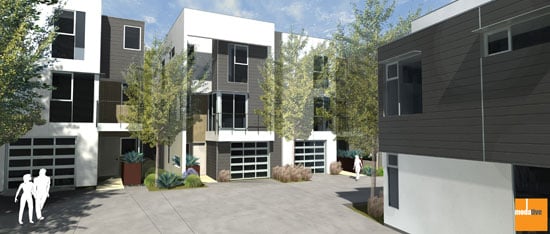
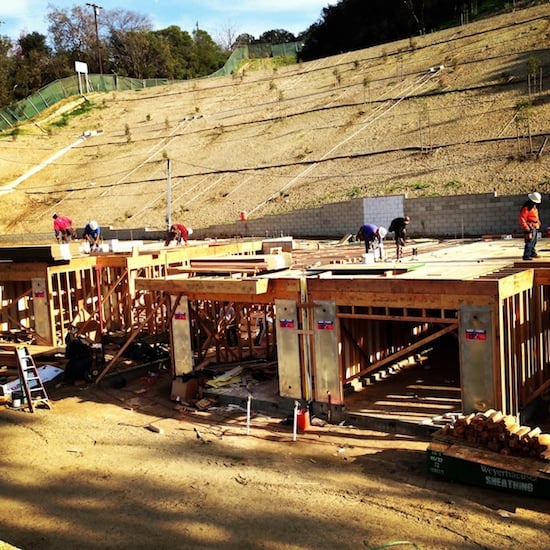
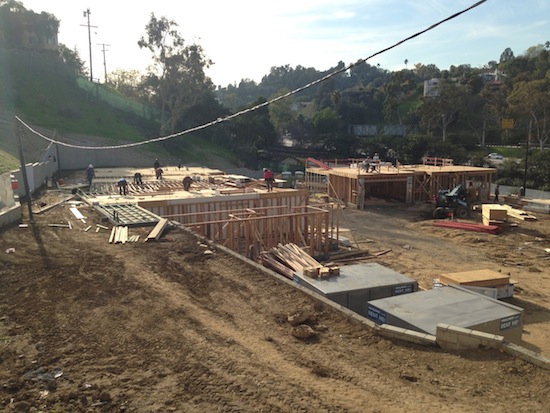
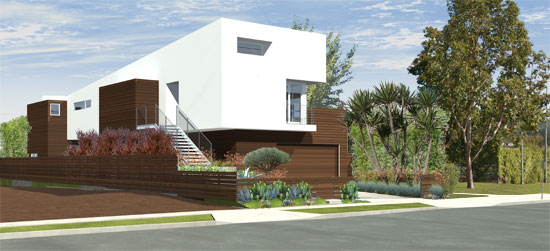
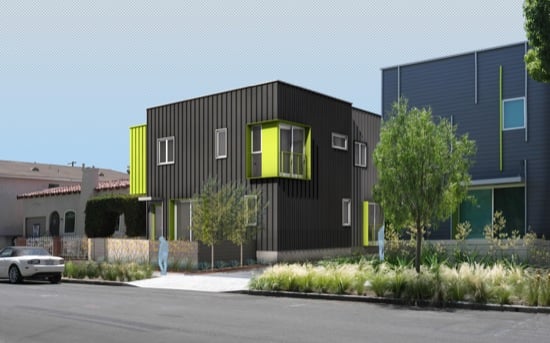
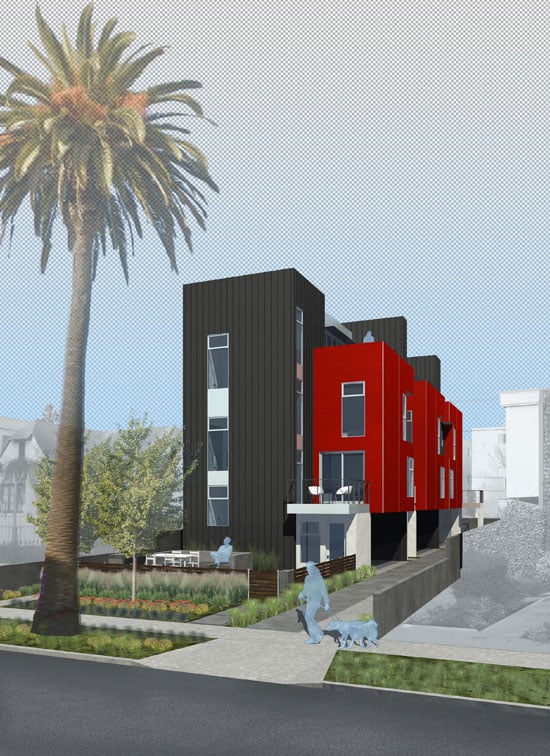
Several of our projects have called for a "simplification" of their designs to lower construction prices and regain feasibility in this new market reality. This "simplification" of a building's design is what we in the industry typicially call "value engineering". Value engineering is esentially reducing the construction cost of a building by changing it's design, quality or both. Although this often has a bad connotation in the architecture world, we have been happy with the results of the few projects in the office that have recently undergone some value engineering.In the coming weeks we'll post updates to the designs of these two projects.

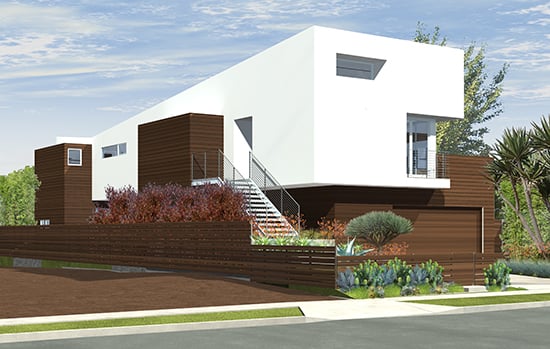
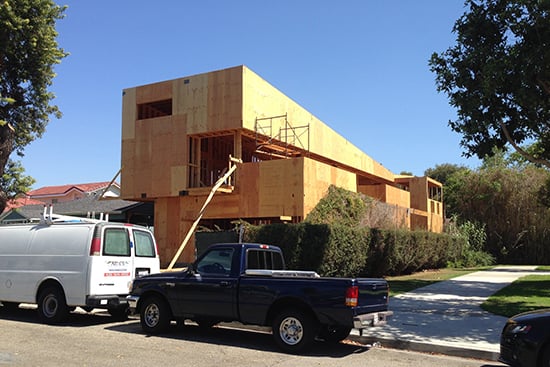
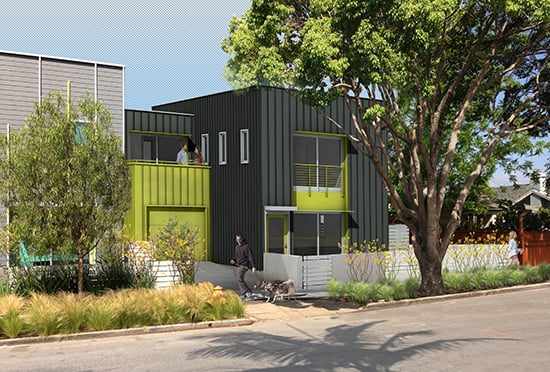
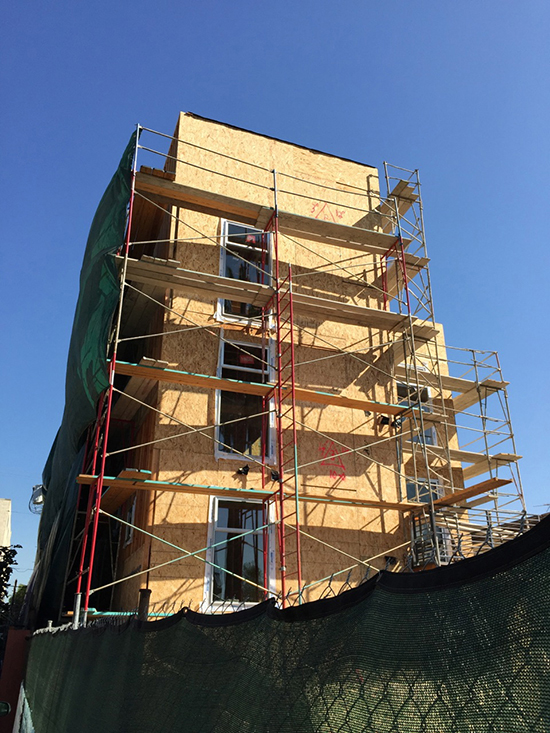
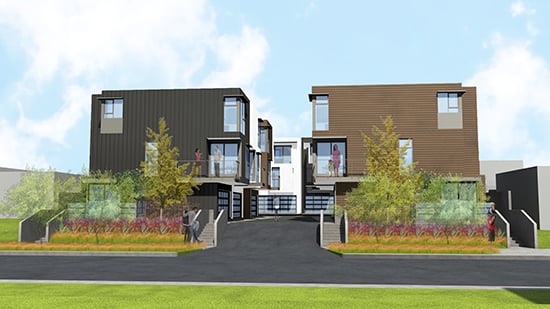
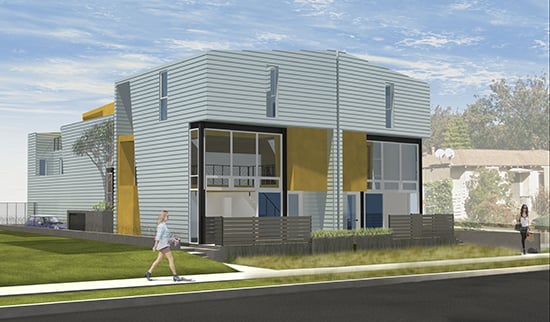
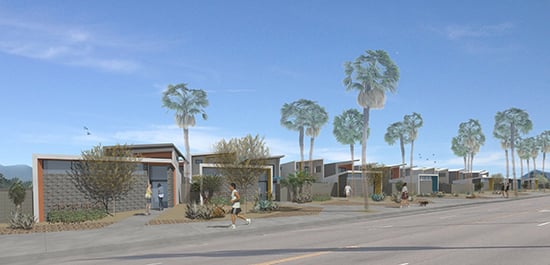
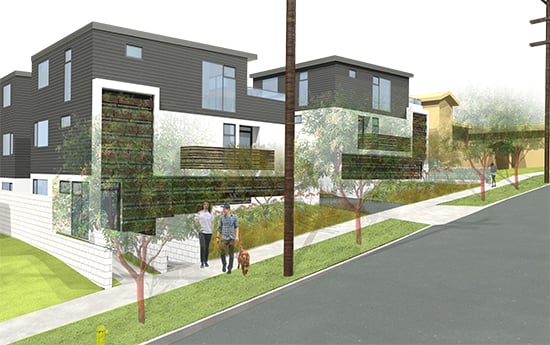
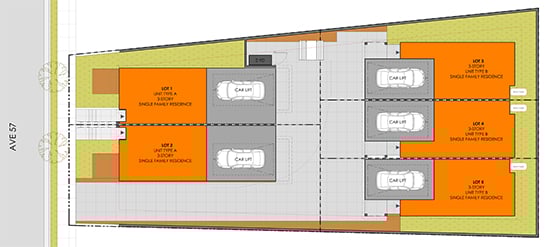
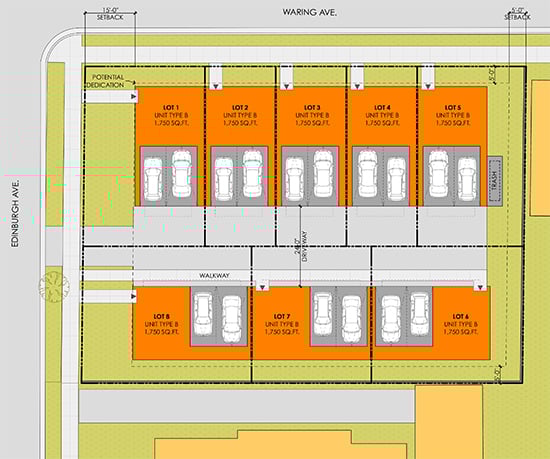
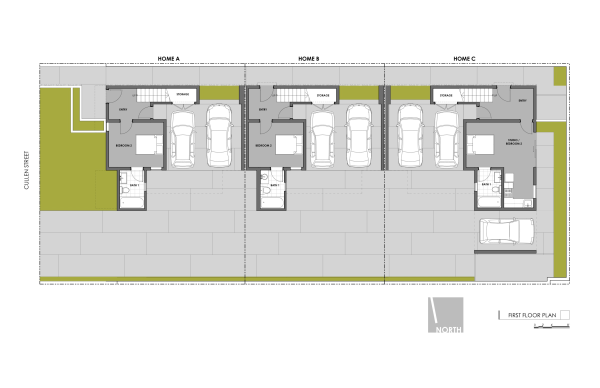
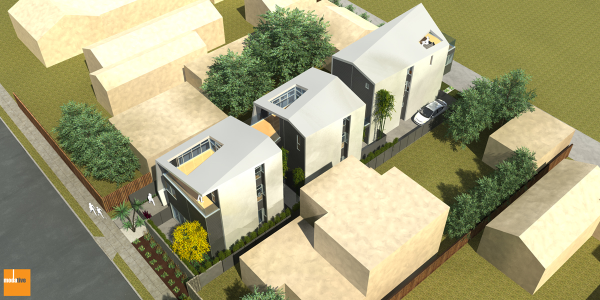
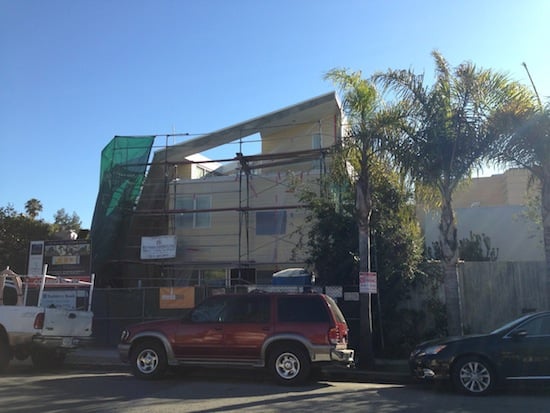
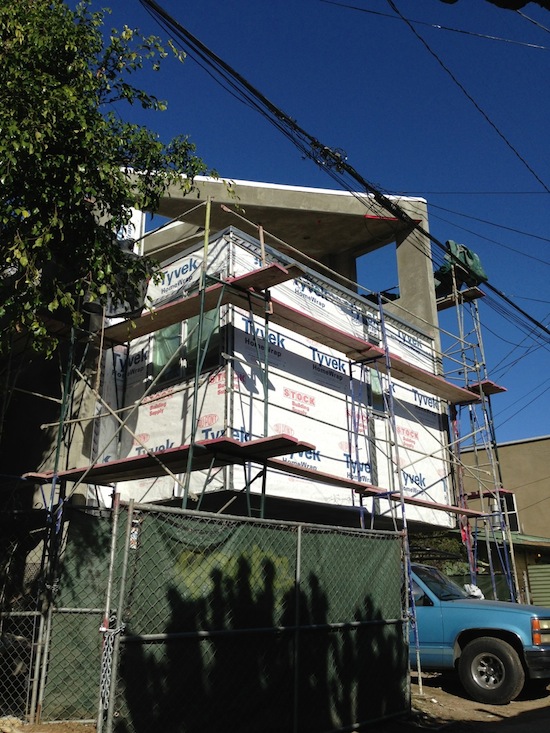
 design changes design changes car wash
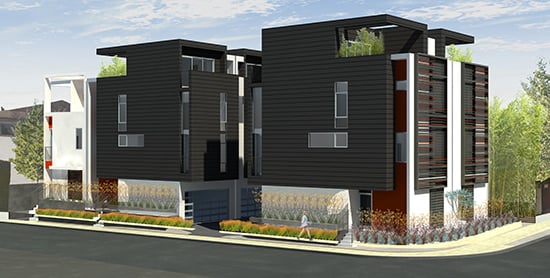
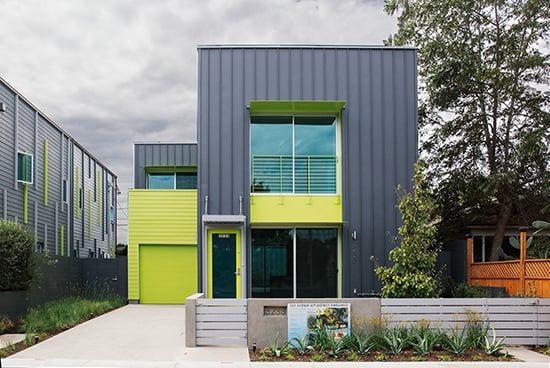
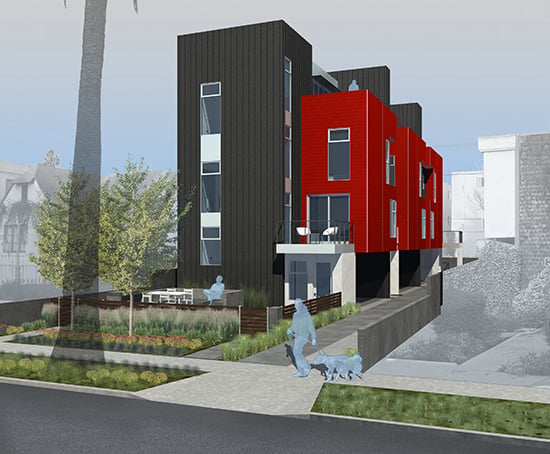
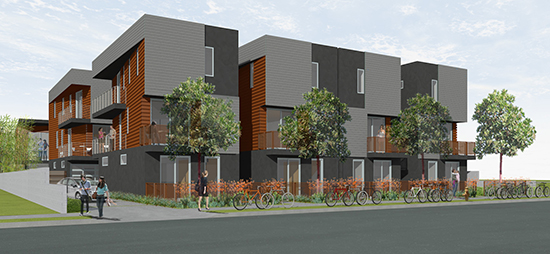
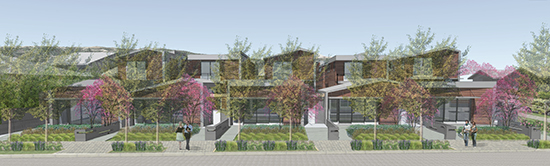
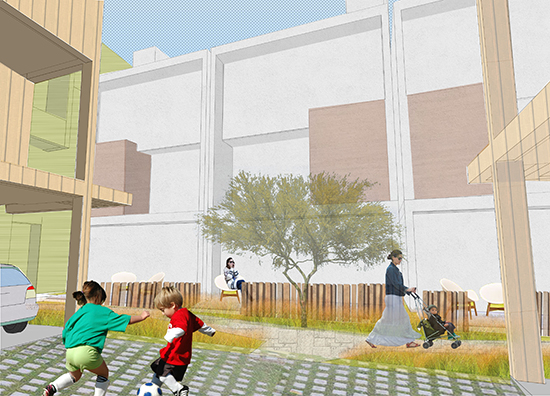
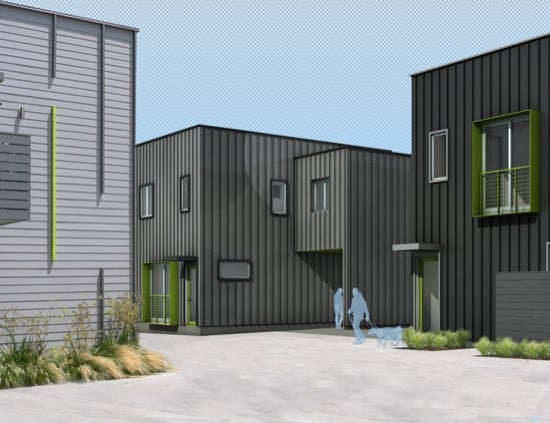
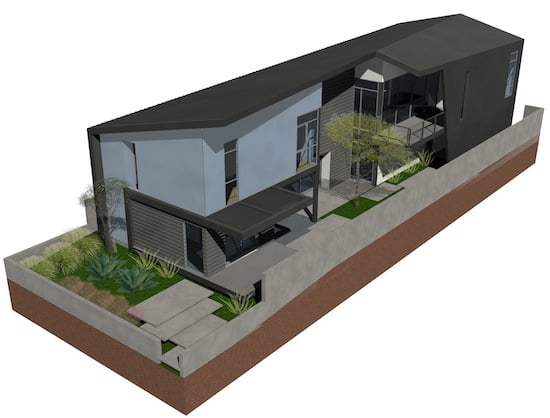
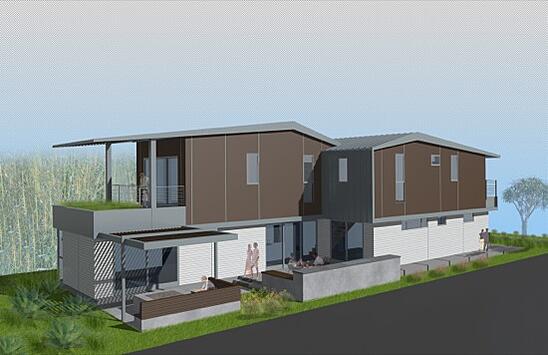
Venice Boulevard Urban Dwellings              
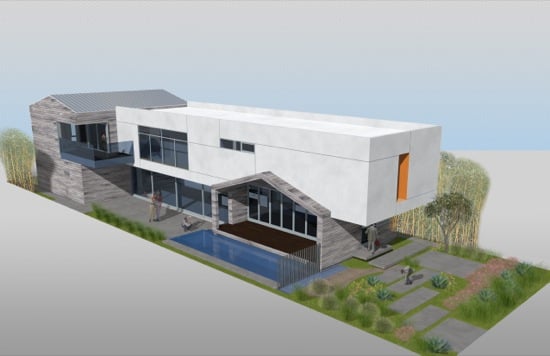
 Fashion Square Car Wash

The Timing of Design Changes

The reason the value engineering of these buildings has gone so well has everything to do with timing and our approach to project management. Often times in a traditional architecture process, the contractor is not brought into the project until late in the game, after the project has been almost fully designed and most of the technical drawings complete.

Get a Contractor Involved

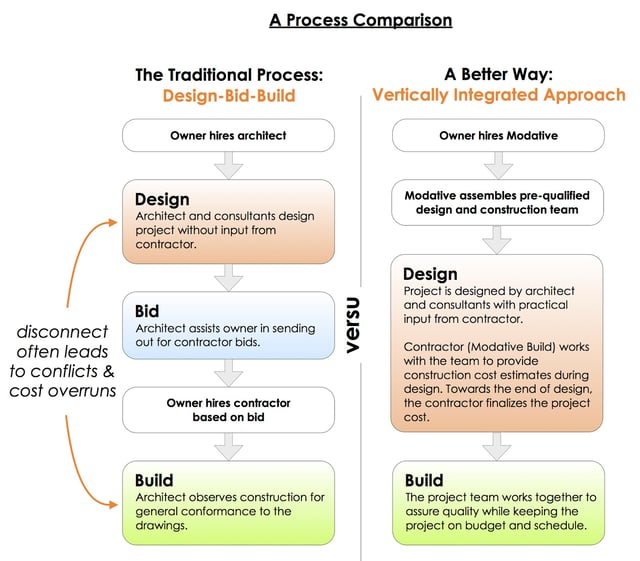
We at Modative learned long ago that this traditional architect/contractor relationship is often risky because you don't really know realistic building costs until most of the architecture is done. Architects are good a number of things. Estimating market-rate construction costs, however, is better left to contractors. For this reason, we prefer to bring a contractor on early and often to give feedback on real construction costs throughout each step in the architecture process. This means that if the project is over budget or you have a massive shift in the market (as we have recently witnessed), adjustments in the design can be made much faster, easier, and with minimal cost to the project owner. The alternative of changing a project's design when its far along in the process can be very expensive and unpleasant for everyone involved.

Contractor involvement in architecture processA comparision of our typical approach to contractor involvement versus the traditional design/bid/build approach. Learn more about the architecture phases by downloading our free guide.
 

Starting a New Project

Now that we are in a down market, we feel that this approach that we have embraced enables us to handle the tighter budgets that many new projects now face. Having a contractor around to give cost feedback throughout the process is critical to keeping things on budget. We work with several contractors that can provide this service to our clients even if the client does not want to commit to using that contractorfor the actual construction.

Design Changes

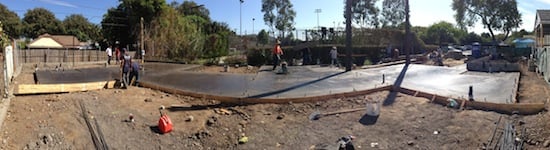
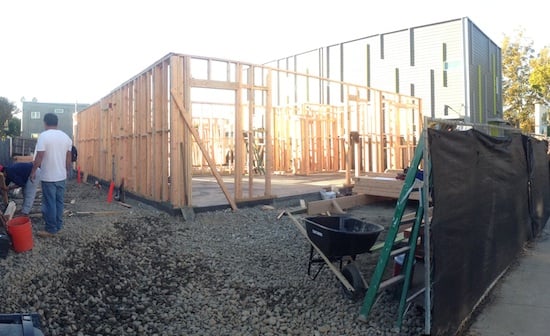
In the coming weeks we'll be posting a few examples of our projects that have undergone some value engineering design changes to adapt to this new economic climate.


An Architect's Website Breaks from the Norm for the Public's Good


If you've spent any time perusing architect's websites, you'll probably notice one common theme: architects like talking about themselves and their projects. Does this mean architect's are self centered ego maniacs? Well...long pause...not necessarily. Architects, like most businesses, are somewhat obligated to tell you about themselves; show you their work, and give you a feel for if they are the right firm for you.

Unfortunatly, all this "selfish" architect behavior has left us with a world wide web that is pretty void of honest useful advice for all the non-architects out there(ie. our potential clients.) Most people have the feeling that in order to get an architect's help one must hire them first.This approach seems a bit suspect, since few people, have any experience in hiring architects or understanding what it takes to start a project.

So we have to ask ourselves, does all this uncertainty make people want to hire an architect?

The answer: Not really.

This unfortunate reallity has caused us to make a bit of a change to our site here at Modative. A shift away from architecture website norm.


Yes, our site will still mostly be about US with images of projects, profiles of the partners, and a bit about firm philosophy. However, we have added a new section called resources that is dedicated to YOU, our current and (hopefully) future clients. Our hope is that this section will help alleviate some of the uncertainty associated with starting a building project and deciding on an architect. New free resources for non-architects will be added in the coming months that will be available to anyone with a computer and internet access.

An architect's website about you. How's that for some out of the box thinking?


The Kayo Connection


Design

Although Modative is at its core an architecture firm, we have always been interested in expanding beyond this traditional role into both development and construction. Hence, the whole "Design, Develop, Build" tag line (see below) and philosophy. As of several months ago, I'm happy to announce that through collaboration, our push into these two other fields is complete.


Develop

As previously announced, we have had an ongoing collaborative relationship with Pacific Beacon Properties, LLC, a development company, working on two small lot subdivision projects in Los Angeles. We not only provide architectural services for Pacific Beacon, but assist with development analysis and decisions.


Build

For the "build", we have teamed up with Libiano Construction Inc., headed by Mark Libiano. We have known and worked with Mark for many years and the results have been great. Libiano Co. is also involved the the two small lot subdivision projects, offering his construction expertise throughout the design and construction process. Having a close collaboration with Mark has proved so successful, that we have decided to offer this collaboration between architect and contractor to other potential clients as a true design/build team.


The Kayo Connection

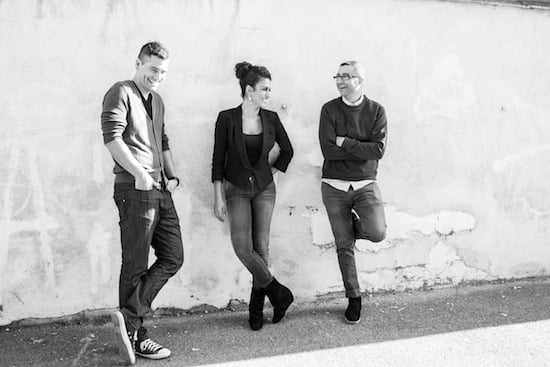
With this design + build collaboration comes the opportunity to collectively market our services as well. This is where Kayo comes in. Kayo is a long time (11 year) friend and colleague of the three founders here at Modative. She also happens to be Mark Libiano's wife. So, who better to go out there and spread the good word of both entities.

Just as we here at Modative have let you know a bit about ourselves in the profile section of our website, we thought we would give you a sneak peak into the life of Kayo N. Libiano...


Early Years

Canadian born, Kayo moved to Southern California at the age of 3 and began her training in classical ballet, continuing as an avid dancer for over 17 years. She attended dance academies in the OC, LA and even studied ballet in Japan for a year, so it was not surprising that she greatly appreciated the arts and cultures of different countries from an early age. Though, what did come as a surprise, was when she wrote in an essay in Junior High English class that she wanted to be an architect, NOT a dancer when she grew up. Her thought process was that the body deteriorates with age, but the creative mind lives on... What sealed the deal of her conviction was when she fielded comments like; “There aren’t many famous female architects in the world” or “How will you succeed in such a male dominant profession?” Kayo’s stubborn and tenacious personality took hold and she set out to prove everyone wrong.

Fight On!

The instinct to create personalized spaces always interested Kayo and she was constantly rearranging furniture, designing accessories and painting pictures on the walls in her family home. Her first sewing machine was gifted to her at the age of 10 and though dance was her #1 passion, making her own clothes and throw pillows came in as a close second of her favorite things to do. By the time she graduated from High School, she had completed 3 years of technical drafting courses as the only girl in the classes and her hopes of attending architecture school were cemented in place. USC served as a training ground where she honed her skills and where she met many of her future colleagues whom have greatly influenced her career thus far.

Experiences in the Field

Post graduation, Kayo went to work for David Jay Flood Architect (DJFA) with her friends, Derek Leavitt and Michael Scott whom both graduated a year before her from USC’s Architecture school.As a team player, she worked on several architecture and interior projects.From DJFA, Kayo took a job as Project Manager at Jacquez Marquez Architects (JMA), where she got a taste for designing high-end homes and day-spas in Beverly Hills and Greater Los Angeles.

Going Corporate

Knowing the importance of the great American Corporation on the economy in the United States, Kayo worked for Merle Norman Cosmetics as a franchise designer, where she built-out stores and oversaw installations for studio owners across the nation from Las Vegas, Chicago and New York.

One of the Guys

As girly as Kayo might appear on the outside, she has no problem sporting a hardhat and a construction belt on-site, or dealing with city officials.Whatever it takes to get the job done, she is up to the task, even if it means roughing it with the boys.Her path crossed with Christian Návar, another old friend from USC at Studio 9one2 Architecture when she moved to the South Bay. As a designer and project manager, Kayo kept the office organized and had the opportunity to collaborate on beautiful contemporary homes, commercial buildings and most importantly, developed contacts with a slew of subcontractors which are vital connections in the building industry.“It's all about who you know and how well you can keep up good public relations!”

To Have and to Hold

The little secret to Kayo’s success in architecture comes from her husband Mark, whom she dated since her senior year at USC. Being a General Contractor by trade, Mark has steered and coached Kayo through the nuances of the architecture/construction world and while letting her make her own mistakes, has above all, taught her what it takes to survive in the admittedly “male dominant” building industry. Today, Kayo works hand in hand with Mark (whom she married in 2007) to build his growing construction company and also acts as the link between Modative and Libiano Construction, Inc. as a Design + Build team. She heads-up the two companies’ marketing and is an enthusiastic supporter of both thriving businesses.


Digital Organization with ArchiOffice


If you ever want to feel like an architectural community insider, just ask an architect "What CAD software do you use and why?" This will undoubtedly be answered with more information than you care to know about the digital world of architectural design. Explanations as to why their CAD software is the best, most efficient, a great design tool, etc, etc.

Now ask that same architect, "what office/project management software do you use?" Most often, this will be met with startling silence.

While most architecture firms pride themselves on their CAD prowess, they often ignore or undervalue all of the other important aspects of running a practice. These include contact organization, timecard and expense tracking, project management, correspondence, billing and calendar coordination. Sure, they probably have something to handle these items, but more often than not, these seemingly mundane tasks are accomplished with disparate pieces of software.

Aware of this hodgepodge way of doing things, we instead opted for a software system that manages all of these items in one concise, easy to use database. Our office/project management system is called "ArchiOffice" www.archioffice.com. This system is used as much, if not more than our CAD software.

One example is the timecard portion of the system. We diligently use the timecard system to track hours for all projects, office overhead and marketing. This information is not only used for our billing, but also provides us valuable historical data over the life of a project. How efficient were we on this project? Did we make a profit? Can we be more efficient? We also use this stored information to give future clients a proper fee on their project because we know how much time was spent on past projects of a similar nature.

Here is a sample screen shot of a timecard from last year.


Note that the system tracts the project, project phase, job code, description of what was done, and the amount of time. The system is easily navigated via the top menu with icons of the various modules in the system: Contacts, Time/Exp, Projects, Billing, etc.

The ArchiOffice database is stored on a central server here in the office. Every memo, e-mail, project and contact are interconnected and automatically sorted, so no information is lost or improperly filed. All appointments and tasks are easily accessible to everyone in the office. Invoices are directly tied to to our timecards and expense reports. This ease of using this seamless system versus a mixture of non integrated software packages allows us to spend more time on design. This approach not only helps us run a better office, but it helps us better serve our clients.

Being creative doesn't mean you can't also be organized.


Innovation = Trust + Risk


Last month I had the pleasure of seeing Dov Seidman give a lecture related to his new book, "HOW: Why HOW We Do Anything Means Everything in Business (and in Life)". Dov's primary stance is that our current society has become so hyper-connected and transparent that HOW we do what we do has become more important than WHAT we do. In essence, business ethics matter.

One of his more interesting points was how true innovation comes about. When people think of how to innovate, they imagine a group of people getting together in a room to brainstorm. Innovation, however, is really only possible when you have trust and risk. You need a team that trusts each-other and is willing to take risks. I completely agree.

For more info on Dov, here is his company website.


Monday Morning Meetings


It sounds simple enough, but proper communication is one of the keys to our success here at Modative. Although much of our daily internal communications are informal: a quick e-mail, a check of the office calendar, or conversation while walking to get coffee; there is a weekly ritual that ties it all together: The Monday Morning Meeting.

-

Monday mornings at 9:30 a.m. everyone in the office meets to review all projects and internal office issues. Meetings are guided by a multi-page list showing all tasks, appointments and milestones for each project along with who is responsible for each item. These are not design meetings, but rather organizational open forums - an exchange of information and ideas related to office and project management. These Monday meetings really set the pace for the week around here.

-

For us, designing how we do business is as important as what we design in our business.

-

Well ...have to go now, the meeting starts in a few minutes.


All Posts